 Energy
Why Is My Electricity Bill So High in Australia? The Real Reasons (and How to Fix It)
SaveNest Editorial Team · 2026-06-28 · 7 min read
If you've opened your latest power bill and felt your stomach drop, you're not alone. Many Australian households are asking the same question: why is my electricity bill so high? The honest answer is that it's rarely one single thing. It's usually a combination of the plan you're on, the rates your retailer charges, how and when you use power, the daily supply charge you pay before you've switched on a single light, and seasonal swings in heating and cooling. The good news is that almost every one of those factors is something you can investigate — and often change — to bring the bill back down.
This guide walks through the genuine drivers of a high electricity bill in Australia, in plain language, so you can work out exactly what's pushing yours up. If you'd rather skip the detective work, you can see what you could save in 2 minutes with a free, no-obligation bill check — it compares your current spend against available offers in your area.
The Main Reasons Your Electricity Bill Is So High
Electricity bills in Australia are made up of more moving parts than most people realise. Understanding each one is the first step to taking control.
1. You're stuck on an old or "default" plan
This is the single most common reason. Energy retailers regularly launch new market offers with sharper discounts, but they don't move existing customers onto them — you stay on whatever you signed up for, sometimes years ago. Worse, introductory discounts often expire after 12 months, quietly lifting your rates without a clear warning. If you've never switched or renegotiated, there's a strong chance you're paying a "loyalty tax." Each state also has a regulated safety-net price (the Default Market Offer in NSW, South-East Queensland and South Australia, and the Victorian Default Offer in Victoria). These caps protect people who don't shop around, but market offers are frequently cheaper than the default, so sitting on the default rate usually costs you more.
2. High usage rates (and the wrong tariff type)
The usage rate is what you pay per kilowatt-hour (kWh) of electricity you actually consume. These vary significantly by retailer and state. Just as important is your tariff structure:
- Single rate (flat) tariff: you pay the same per kWh no matter the time of day.
- Time-of-use tariff: electricity costs more during peak periods (typically late afternoon and evening) and less off-peak (often overnight). If you have a smart meter and run big appliances during peak times, this can inflate your bill dramatically.
- Controlled load: a separate, cheaper rate for dedicated circuits like electric hot water systems.
Being on a time-of-use tariff without realising it — and running the dishwasher, dryer and air conditioner at 6pm — is a classic cause of bill shock.
3. The daily supply charge
Before you use any power at all, you pay a fixed daily supply (or service) charge just for being connected to the grid. This charge varies by network and state and can add up to a meaningful chunk of a quarterly bill, especially for low-usage households where the fixed cost makes up a larger share of the total. Two plans with identical usage rates can land very differently once the supply charge is factored in, which is why comparing only the per-kWh rate can be misleading.
4. Seasonal heating and cooling
Australia's climate swings push bills up at predictable times. Summer air conditioning and winter heating are usually the biggest discretionary loads in a home. Reverse-cycle air conditioners, while efficient, run hard during heatwaves and cold snaps. A single quarter that covers a hot summer or a cold winter can be 30–50% higher than a mild quarter — so part of a "high" bill may simply reflect the season, not a problem with your plan.
5. Hidden energy guzzlers around the house
Some appliances quietly dominate your consumption:
- Electric hot water systems — often one of the largest single loads in a home.
- Pool pumps — running for long hours can rival the cost of running the fridge for the year.
- Old, inefficient fridges and second fridges in the garage.
- Electric heating, particularly older bar heaters and ducted electric systems.
- Standby power from devices left plugged in — smaller, but it adds up.
6. Estimated reads and billing errors
If a meter reader couldn't access your meter, your retailer may issue an estimated bill. Estimates can overshoot reality, and they sometimes "catch up" later with a large correction. It's always worth checking whether your bill says "estimated" or "actual," and submitting your own meter read if you suspect the estimate is too high.
How to Read Your Bill and Spot the Problem
Your bill contains everything you need to diagnose the issue. Look for these line items:
- Usage charge (per kWh) — and whether it's split into peak, off-peak and shoulder rates.
- Supply charge (per day).
- Total kWh used for the billing period, and the comparison graph showing the same period last year.
- Discounts or credits — and any note that a discount has expired.
- Whether the read is "actual" or "estimated."
Comparing this quarter to the same quarter last year tells you whether your usage has genuinely risen or whether your rates have crept up. If usage is flat but the cost jumped, the culprit is almost certainly your plan or expired discount — exactly the situation a quick comparison can fix.
Why Comparing Plans Genuinely Saves Money
Because retailers compete hardest for new customers, the gap between an old plan and the best current market offer can be substantial — and it costs nothing to check. The catch is that the "best" plan depends on your specific usage profile, tariff type and network area, so a deal that's great for a high-usage family may not suit a single-person household. That's why it pays to compare offers tailored to your actual consumption rather than picking the first headline discount you see. You can explore current options on our electricity deals page, or read state-specific guidance for NSW, Victoria and Queensland.
Don't forget that bundling can help too. If you're also paying for gas, internet or mobile, reviewing those at the same time — via gas deals or internet deals — can compound your household savings.
A quick, honest note: energy rates change regularly and vary by retailer, state and network. The figures and structures described here are general guidance current to 2026 — always compare current offers for your address before deciding.
Steps to Take
- Find your usage and rates. Pull out your latest bill and note your total kWh used, your usage rate(s), your daily supply charge, and whether the read was actual or estimated.
- Check for an expired discount. If your bill recently jumped while your usage stayed flat, a 12-month introductory discount has likely lapsed — call your retailer or compare offers.
- Run a free bill check. Use SaveNest to compare your current plan against available offers for your postcode in about two minutes.
- Match your tariff to your habits. If you're on time-of-use, shift big appliances (dishwasher, washing machine, pool pump) to off-peak times, or switch to a flat-rate plan if peak usage is unavoidable.
- Tackle the big loads. Service or replace an ageing hot water system, reduce pool pump run-time, retire a second fridge, and set air conditioners to efficient temperatures (around 24–25°C in summer, 18–20°C in winter).
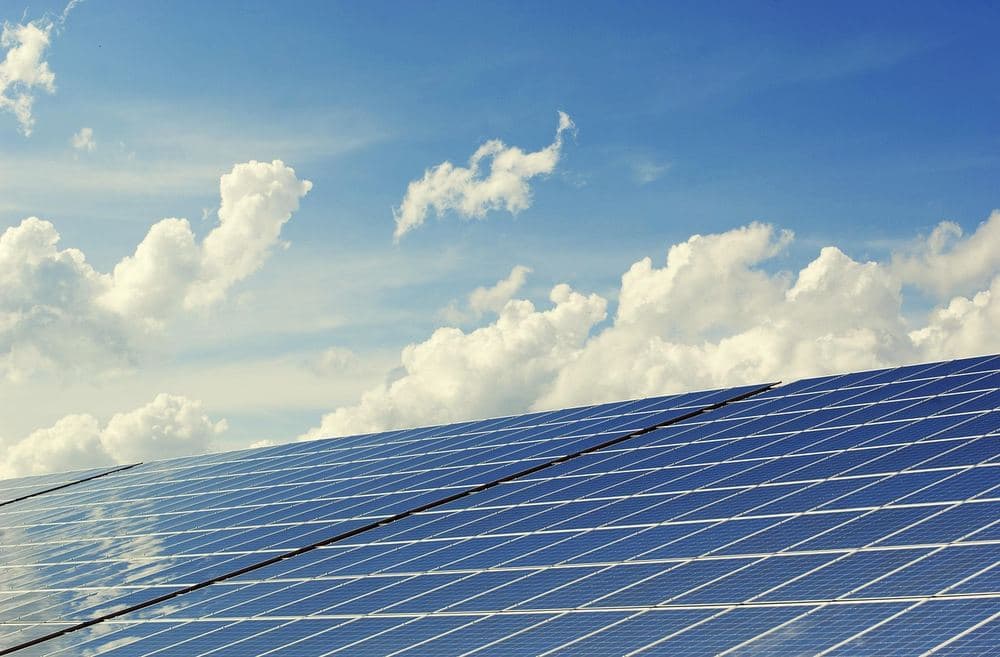
- Consider solar. If you own your home and have suitable roof space, solar can sharply cut grid usage — get a free solar savings estimate to see if it stacks up for you.
The Bottom Line
A high electricity bill in Australia usually comes down to an outdated plan, the wrong tariff for your lifestyle, a hefty supply charge, seasonal heating and cooling, or a few power-hungry appliances — and most of these are fixable. The most reliable way to stop overpaying is simply to check whether a better deal exists for your address, because retailers won't move you to it automatically.
Don't keep paying the loyalty tax. Get your free, no-obligation bill check now and find out in two minutes whether you're overpaying: start your free savings estimate at /savings. While you're at it, browse the latest electricity deals and read more household money-saving guides on the SaveNest blog. A few minutes today could save you hundreds over the year.