 Solar
SolarThe Ultimate Guide to Solar Battery Storage in 2026
SaveNest Editorial Team · 2026-05-11 · 7 min read
Discover whether adding a solar battery to your system is worth the investment in 2026. We break down the costs, ROI, and technical specs of modern storage.
The Australian energy landscape is undergoing a monumental shift. With the rising costs of traditional grid electricity and the decreasing expenses associated with renewable technologies, more homeowners and businesses than ever are looking towards solar power as a viable, long-term solution. In 2026, the technology has reached a point of maturity where the financial benefits are undeniable, provided you make informed decisions based on your specific circumstances.
Understanding Battery Storage in Depth
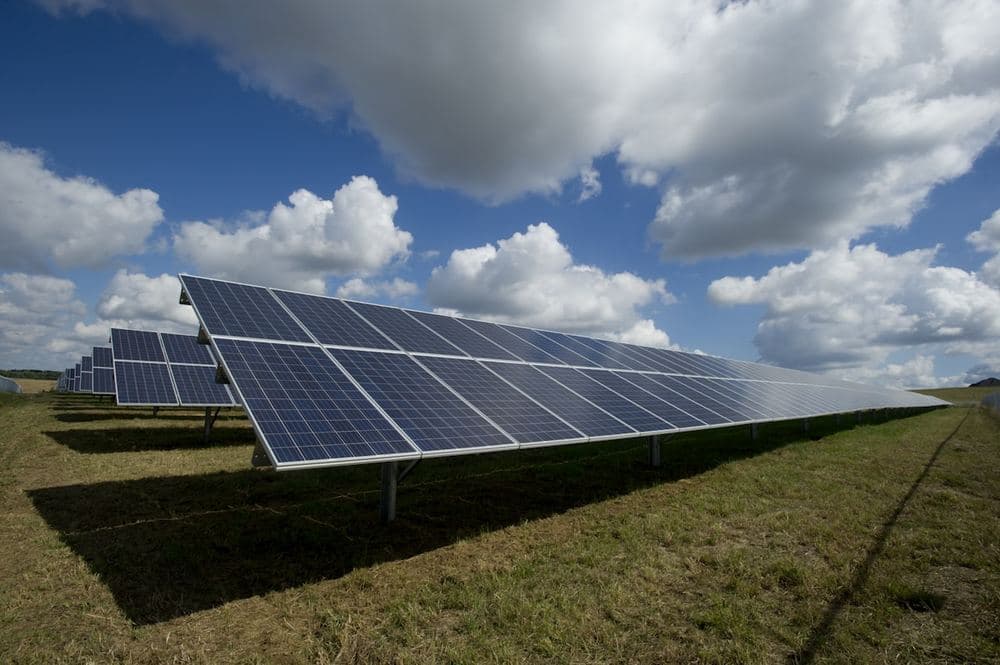
When evaluating solar energy, it is crucial to understand the fundamental mechanics of how these systems operate. Photovoltaic (PV) cells convert sunlight directly into direct current (DC) electricity. This DC electricity is then passed through an inverter, which converts it into the alternating current (AC) electricity used by standard household appliances. The efficiency of this process dictates how much useable energy your system produces. Over the past decade, technological advancements have significantly improved conversion rates, making even smaller systems highly productive.
One of the most significant factors driving solar adoption is the concept of energy independence. By generating your own power, you are inherently less reliant on the main grid. This not only protects you from volatile wholesale electricity prices but also provides a buffer against network outages and blackouts, particularly when coupled with modern battery storage solutions. As the grid transitions away from fossil fuels, having a localized generation source ensures stability and predictability in your energy costs.
The Financial Mechanics of Battery Storage
From a financial perspective, the return on investment (ROI) for a standard residential solar system is generally calculated to be between three and five years. Once the initial capital expenditure is recovered through reduced energy bills, the system essentially provides 'free' electricity for the remainder of its lifespan, which can be upwards of 25 years. This long-term financial gain is augmented by government incentives, such as the Small-scale Renewable Energy Scheme (SRES), which reduces the upfront cost via point-of-sale discounts.
When looking specifically at battery storage, the financial calculus requires a detailed understanding of your unique usage patterns. For instance, shifting high-draw appliances like dishwashers and washing machines to run during peak daylight hours can dramatically improve your self-consumption rate, directly accelerating your ROI.
Furthermore, the environmental benefits cannot be overstated. Transitioning to solar dramatically reduces a household's carbon footprint. A typical 6.6kW system can offset several tonnes of greenhouse gas emissions annually, equivalent to planting hundreds of trees or taking multiple internal combustion engine vehicles off the road. In an era where climate change mitigation is a global priority, individual actions like installing solar panels contribute significantly to national emission reduction targets.
Quality and Standards
However, navigating the solar market requires diligence. The industry is vast, and the quality of products and installations can vary wildly. It is imperative to engage only with Clean Energy Council (CEC) accredited installers. These professionals are bound by strict codes of conduct and technical standards, ensuring that your system is designed safely and optimized for your specific roof orientation and shading profile.
When selecting hardware for battery storage, prioritizing established manufacturers with an Australian presence is non-negotiable. If a warranty claim is necessary in 10 years, you need the assurance that the company will still be operational to honor it.
Another critical consideration is ongoing maintenance. While solar PV systems are largely 'set and forget' due to their lack of moving parts, routine inspections are necessary. Accumulation of dust, bird droppings, or debris can reduce efficiency by up to 10-15%. An annual clean, coupled with a technical health check of the inverter and wiring, guarantees that the system operates at peak performance and helps identify potential issues before they necessitate costly repairs.
Deep Dive: Technical Specifications and Real-World Application
To truly grasp the impact of battery storage, we must look at the underlying technology. Modern photovoltaic systems leverage monocrystalline silicon cells, which offer higher efficiency rates than older polycrystalline models. This means more power generation per square meter of roof space, which is critical for smaller urban dwellings.
Furthermore, the integration of smart metering allows homeowners to monitor their generation and consumption in real-time via smartphone applications. This visibility is empowering, enabling behavioral changes that further reduce reliance on grid power. The intersection of IoT (Internet of Things) and renewable energy generation represents a leap forward in domestic energy management.
As state governments continue to evolve their renewable energy targets, the regulatory landscape surrounding battery storage will inevitably shift. Staying informed about current rebate programs, feed-in tariff structures, and network export limits is essential for anyone looking to invest in a new system or upgrade an existing one. Knowledge is power, both literally and figuratively, in the modern energy market.
In the context of the broader Australian grid, residential solar acts as a massive, decentralized power plant. During peak sunlight hours, rooftop solar pushes enormous amounts of energy into the grid, driving wholesale prices down. This phenomenon, known as the 'duck curve', presents both challenges and opportunities for energy regulators, underscoring the critical need for scalable battery storage solutions to smooth out the supply and demand mismatch.
The Future Outlook
Looking ahead, the integration of solar with electric vehicles (EVs) represents the next frontier. As EV adoption accelerates, the ability to charge your vehicle using self-generated solar power essentially eliminates your fuel costs. This synergy between home energy generation and transportation is a paradigm shift, creating a truly electrified and sustainable household ecosystem.
The role of battery storage in this future ecosystem is foundational. As smart homes become more prevalent, automated energy management systems will direct solar power to where it is most cost-effective—whether that's charging a battery, heating hot water, or cooling the home before you arrive.
In conclusion, the decision to adopt solar energy is multi-faceted, encompassing financial, environmental, and practical considerations. By taking the time to educate yourself on the various components—from panel tiers and inverter types to warranties and feed-in tariffs—you position yourself to maximize the benefits of this transformative technology. The initial research pays dividends for decades, securing a cleaner, cheaper energy future for your property.
Frequently Asked Questions
1. What is the typical lifespan of a solar panel system?
Most high-quality, Tier 1 solar panels come with a 25-year performance warranty, guaranteeing they will still produce at least 80-85% of their original capacity at the end of that period. Inverters generally have a lifespan of 10 to 15 years and may need replacement once during the life of the panels.
2. Do solar panels work on cloudy days?
Yes, solar panels still generate electricity on cloudy or overcast days, although at a reduced capacity. They rely on daylight, not necessarily direct sunlight. However, heavy rain or dense cloud cover will noticeably lower output.
3. Will solar completely eliminate my electricity bill?
While a correctly sized system can drastically reduce your bill, completely eliminating it is difficult without a battery. You will still incur daily supply charges from your network provider, and if you use significant power at night without a battery, you will draw from the grid.
4. Do I need council approval to install solar?
In most standard residential cases, council approval is not required as it is considered a minor permitted development. However, if your property is heritage-listed or in a strict conservation area, you may need to seek approval. Your accredited installer will handle grid connection approvals with your energy distributor.
5. What happens to solar panels at the end of their life?
Australia is rapidly developing its solar panel recycling infrastructure. Specialized recycling facilities can recover up to 95% of the materials in a panel, including glass, aluminum, copper, and silicon, preventing them from ending up in landfill.
Checklist for Action
- Audit your current bills: Gather your last 12 months of statements for Solar.
- Compare the market: Use SaveNest's comparison tools to identify the top 3 cheapest providers in your area.
- Check for loyalty taxes: Call your current provider and ask them to match the best offer you found online.
- Verify concessions: Ensure you are receiving all state and federal rebates you are entitled to.
- Set a reminder: Mark your calendar for a 6-month review to ensures you stay on the best plan.
- Share the savings: Tell a friend or family member how much you saved to help them avoid the 'lazy tax' too.