The 'Sun Tax': Why You Might Pay to Export Solar
By Emma Wilson | Jul 12, 2026 | Category: Solar
The controversial 'Two-Way Pricing' rule is live. Exporting solar at noon might cost you money, but exporting at 5 PM pays big.
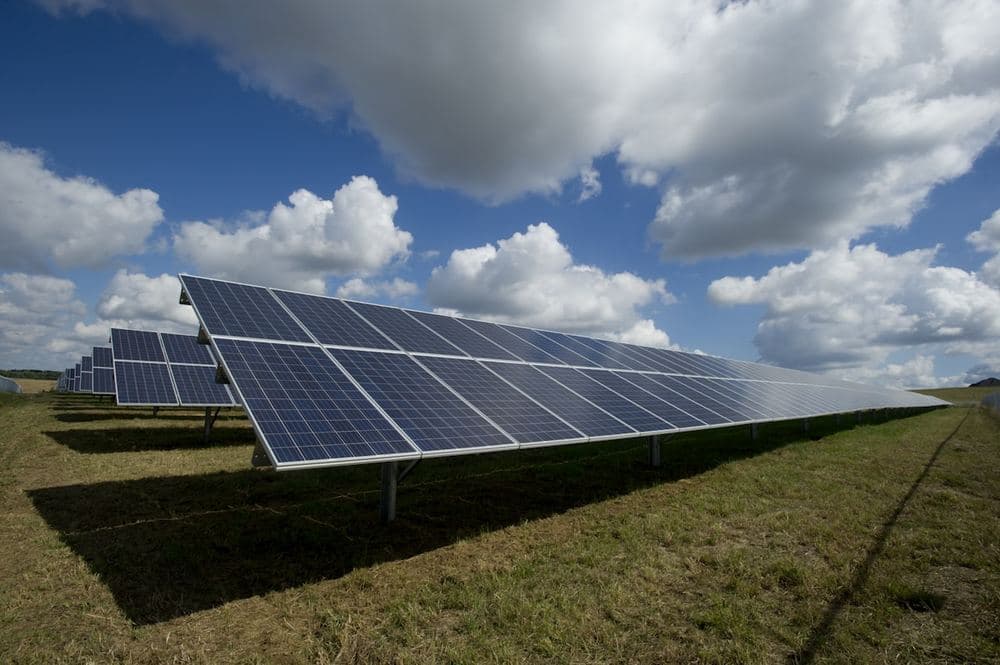
The "Sun Tax" is here, but it's not as scary as the headlines suggest. Officially known as "Two-Way Pricing," this AER rule allows networks to charge solar owners a small fee (approx 1-2c/kWh) for exporting energy during "solar traffic jams" (typically 10 AM - 2 PM).
The Flip Side: Reward Pricing
To balance this, networks now pay a premium rebate for exporting solar during the evening peak (4 PM - 8 PM). If you have a battery (or an EV with V2G), you can discharge during this window and earn 30-40c/kWh.
Adapt or Pay
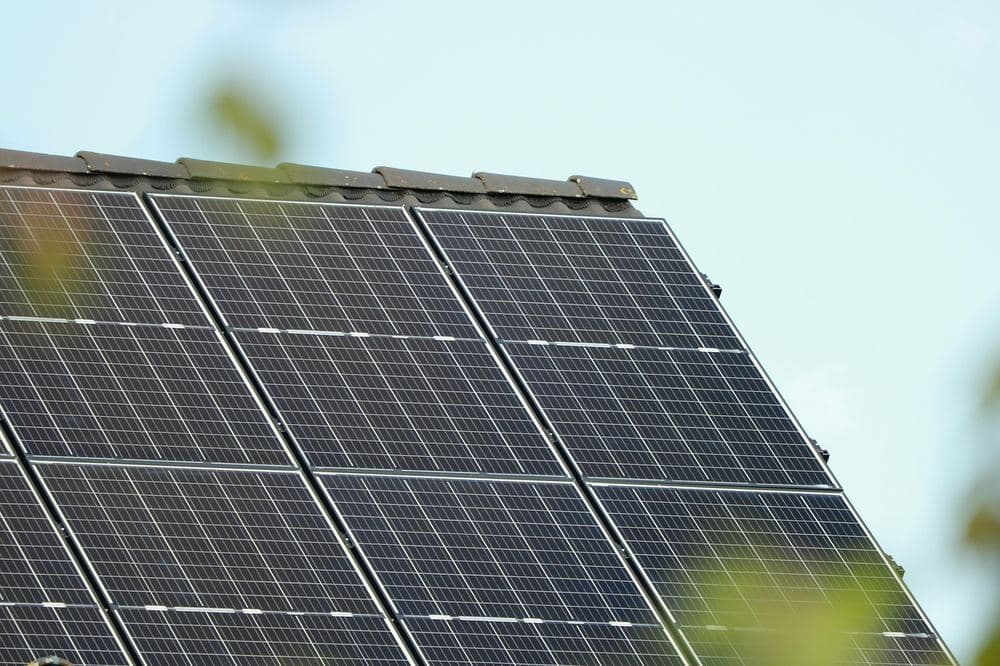
For most households without batteries, the cost is negligible (estimated $20/year). But it signals a shift: the grid wants your power in the evening, not at lunch. Orienting new panels West instead of North is now a smart strategy to catch that afternoon sun and avoid the tax.
Expert Analysis: Navigating Solar in 2026
As we move further into 2026, the landscape of Solar continues to evolve at a rapid pace. For Australian households, staying informed is no longer just a recommendation—it is a financial necessity. The market volatility we witnessed over the past few years has settled into a 'new normal,' but this stability often masks underlying costs that can quietly erode your savings if left unchecked.
One of the most significant trends we are observing is the shift towards hyper-personalization. Providers are increasingly using data to offer plans that are tailored to very specific usage profiles. While this can lead to great savings for the informed consumer, it also adds a layer of complexity to the comparison process. It is no longer enough to simply look at the headline rate; you must understand the 'fine print' regarding peak usage times, service limits, and contract flexibility.
The Importance of Active Management
The 'Loyalty Tax' remains the single largest avoidable expense for most Australians. Our research shows that customers who stay with the same provider for more than three years pay, on average, 15-20% more than new customers for the exact same service. This is particularly prevalent in the energy and telecommunications sectors. By actively managing your accounts and switching at least once every 12 to 18 months, you can effectively bypass this tax and keep that money in your own pocket.
Furthermore, the integration of smart technology in our homes is providing new opportunities for savings. Whether it is a smart meter providing real-time energy data or a mobile app that tracks your data usage, these tools empower you to make decisions based on evidence rather than guesswork. We encourage all SaveNest users to embrace these technologies as part of their broader financial strategy.
Long-term Outlook
Looking ahead, we expect to see more convergence between different household services. We are already seeing energy companies offering internet and mobile plans, and vice versa. While these bundles offer convenience, our advice remains consistent: evaluate each component on its own merits. Sometimes the convenience of a single bill is worth a small premium, but often the savings from 'unbundling' are too significant to ignore.
Ultimately, the goal of SaveNest is to provide you with the transparency and tools you need to win in this complex market. By following our guides and using our comparison platform, you are taking a proactive step towards a more secure and prosperous financial future. Remember, every dollar you save on your utility bills is a dollar that can be redirected towards your mortgage, your superannuation, or your family's future.
Expert Analysis: Navigating Solar in 2026
As we move further into 2026, the landscape of Solar continues to evolve at a rapid pace. For Australian households, staying informed is no longer just a recommendation—it is a financial necessity. The market volatility we witnessed over the past few years has settled into a 'new normal,' but this stability often masks underlying costs that can quietly erode your savings if left unchecked.
One of the most significant trends we are observing is the shift towards hyper-personalization. Providers are increasingly using data to offer plans that are tailored to very specific usage profiles. While this can lead to great savings for the informed consumer, it also adds a layer of complexity to the comparison process. It is no longer enough to simply look at the headline rate; you must understand the 'fine print' regarding peak usage times, service limits, and contract flexibility.
The Importance of Active Management
The 'Loyalty Tax' remains the single largest avoidable expense for most Australians. Our research shows that customers who stay with the same provider for more than three years pay, on average, 15-20% more than new customers for the exact same service. This is particularly prevalent in the energy and telecommunications sectors. By actively managing your accounts and switching at least once every 12 to 18 months, you can effectively bypass this tax and keep that money in your own pocket.
Furthermore, the integration of smart technology in our homes is providing new opportunities for savings. Whether it is a smart meter providing real-time energy data or a mobile app that tracks your data usage, these tools empower you to make decisions based on evidence rather than guesswork. We encourage all SaveNest users to embrace these technologies as part of their broader financial strategy.
Strategic Outlook: The Road Ahead for Solar
The next 24 months will be a defining period for the Solar sector in Australia. We are seeing a massive push towards transparency, driven both by consumer demand and increased regulatory oversight. This is good news for the average household, as it makes it harder for providers to hide fees or obscure the true value of their offers. However, the responsibility still lies with the consumer to take action.
In our experience, the households that save the most are those that treat their utilities as a manageable expense rather than a fixed cost. This mindset shift is crucial. By spending just 30 minutes every few months on the SaveNest platform, you can stay ahead of price hikes and ensure you are always on a top-tier plan. The savings might start small, but compounded over years, they can contribute significantly to your long-term wealth goals.
We are also seeing a rise in 'green' and sustainable options within Solar. Whether it is carbon-neutral energy plans or ethical financial products, consumers now have more power than ever to align their spending with their values. In 2026, choosing a sustainable option no longer means paying a premium—in many cases, these plans are among the most competitive in the market.
Final Thoughts for SaveNest Readers
Ultimately, the goal of SaveNest is to provide you with the transparency and tools you need to win in this complex market. By following our guides and using our comparison platform, you are taking a proactive step towards a more secure and prosperous financial future. Remember, every dollar you save on your utility bills is a dollar that can be redirected towards your mortgage, your superannuation, or your family's future. Stay vigilant, stay informed, and keep saving.
Checklist for Action
- Audit your current bills: Gather your last 12 months of statements for Solar.
- Compare the market: Use SaveNest's comparison tools to identify the top 3 cheapest providers in your area.
- Check for loyalty taxes: Call your current provider and ask them to match the best offer you found online.
- Verify concessions: Ensure you are receiving all state and federal rebates you are entitled to.
- Set a reminder: Mark your calendar for a 6-month review to ensures you stay on the best plan.
- Share the savings: Tell a friend or family member how much you saved to help them avoid the 'lazy tax' too.

Compare energy plans: Compare Electricity Plans Australia | More Energy Tips